


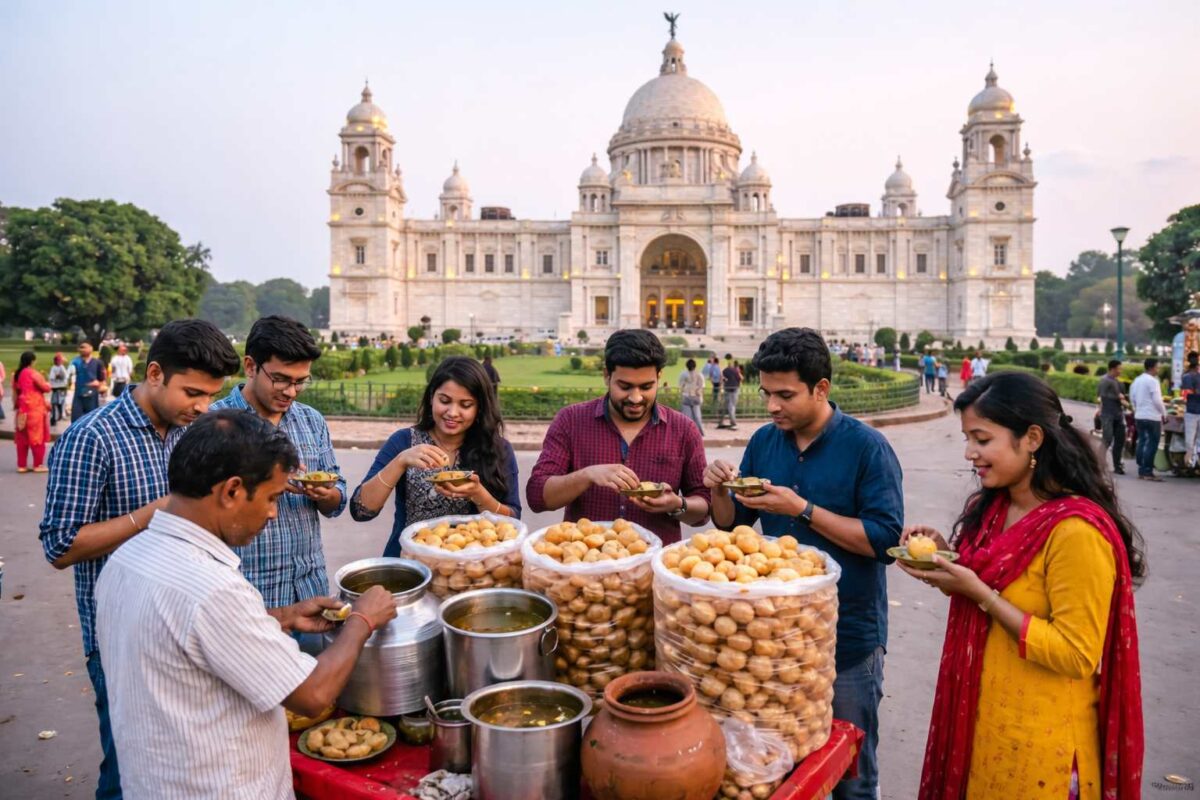
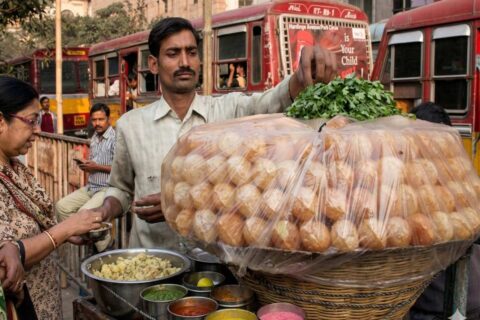
Evening in Kolkata often brings a familiar scene — a small street cart surrounded by people waiting for their turn. A vendor quickly fills crisp puri shells with spiced potatoes and tangy tamarind water. Someone inevitably says, “Dada, ektu jhaal beshi deben.” Within seconds, a plate of fresh fuchka is ready.
Fuchka is one of the most beloved snacks within the larger tradition of Kolkata street food culture.

Photo: KolkataPulse
Table of Contents
History of Fuchka
Food historians believe that snacks like fuchka belong to the larger family of pani puri or golgappa found across India. As the snack spread across regions, each place adapted the ingredients and flavours.
Fuchka belongs to a family of popular Indian street snacks known by different names across the country. In northern India it is called golgappa, while in western India it is often known as pani puri. Kolkata’s version developed its own identity by adding potatoes over time. These variations gradually shaped the distinct Kolkata style of fuchka.
Ingredients of Kolkata Fuchka
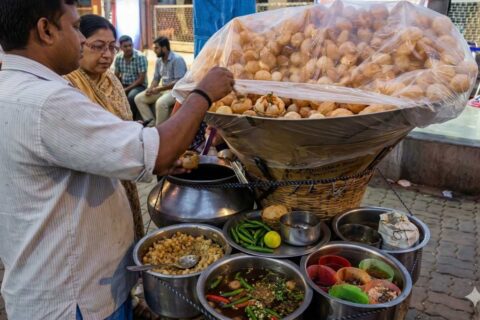
A traditional Kolkata fuchka usually includes the following ingredients:
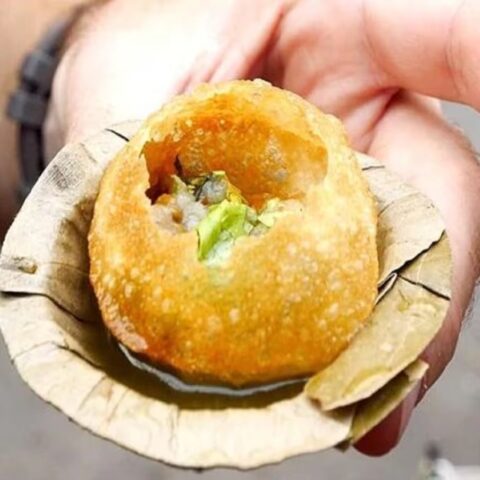
- Puri shell – A small hollow crisp ball made from semolina or wheat flour.
- Mashed potato filling – boiled potatoes mixed with: chopped coriander, chili powder, tamarind pulp, roasted spices.
- Tamarind water : The sour liquid that gives fuchka its refreshing flavour.
Additional toppings – Some vendors also add: chickpeas, chopped onions, spice mix known as fuchka masala. Each vendor may slightly adjust the flavour balance, which is why different stalls have their own loyal customers.
Fuchka and Kolkata Street Culture
In Kolkata, the preparation changed in several ways:
- Stronger tamarind flavour
- Spicier mashed potato filling
- Thinner puri shells
- Emphasis on sour taste with gandharaj lemon
Fuchka in Kolkata is rarely eaten alone. Friends stand around the stall, waiting for their turn. The vendor serves one piece at a time, and conversations continue between bites.

For many people, the ritual feels familiar:
- Evening walks
- College friends meeting after class
- Short breaks during shopping
- Neighbourhood gatherings
- After school break
- During festivities
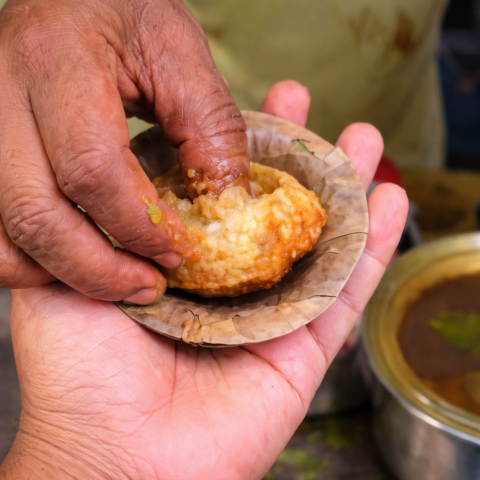
Street vendors often serve customers one fuchka at a time, which encourages conversation and interaction.
Imagine a small cart near a busy crossing.
A vendor quickly fills each puri with mashed potato, spices, and tamarind water. People stand around the cart. One by one, the fuchkas disappear in seconds. A new batch waits patiently, one question is common in the meanwhile “dada 10 takay kota“. For many locals, this simple moment captures the spirit of Kolkata’s street life.
“Kolkata without fuchka is almost unimaginable.”
For many Kolkatans, the taste of fuchka is tied to memory.
College friends meeting after class, families stopping during evening walks, or school students sharing a quick snack before heading home. This small ritual makes fuchka an important part of Kolkata Street Food Culture. If you want to explore the larger tradition, read our guide to Kolkata Street Food Culture.
Where to Eat Fuchka in Kolkata
Fuchka vendors can be found across almost every neighbourhood in Kolkata. Some of the busiest areas include:
- Gariahat Market — one of the most famous street food locations in South Kolkata.
- Vivekananda Park — known for multiple food stalls popular among students.
- College Street — a historic academic district where street snacks remain popular.
- Esplanade — busy commercial zone with many evening snack stalls.
Busy commercial zones where vendors serve quick evening snacks.
Most fuchka stalls open in the late afternoon and evening, when people come out for shopping or social gatherings.
Fuchka vs Pani Puri
Many visitors wonder how fuchka differs from pani puri or golgappa.
Key differences include:
| Feature | Fuchka (Kolkata) | Pani Puri |
|---|---|---|
| Filling | Spiced mashed potato | Chickpeas or potatoes |
| Taste | Tangier and spicier | Slightly sweeter |
| Water | Tamarind-heavy | Mint or spice water |
| Size | Usually smaller puris | Slightly larger |
Because of these differences, many locals consider Kolkata fuchka uniquely flavourful.
Related Street Foods
Kolkata’s street food culture includes many other popular snacks.
Examples include:
- Jhalmuri — puffed rice mixed with mustard oil and spices
- Churmur — crushed fuchka mixed with chutney and potato
- Ghugni — spiced yellow peas served in small bowls
These snacks are often sold near the same areas as fuchka vendors.
Many visitors to Kolkata have questions about this popular street snack. Here are some common answers.
Frequently Asked Questions
What is fuchka?
Fuchka is a popular Kolkata street snack made with crisp puri shells filled with mashed potato, spices, and tangy tamarind water.
Why is fuchka popular in Kolkata?
Its strong sour and spicy flavour matches the city’s preference for tangy street snacks and social eating.
Is fuchka the same as pani puri?
They belong to the same family of snacks, but Kolkata fuchka typically has a spicier filling and stronger tamarind taste.
When do fuchka vendors usually operate?
Most fuchka stalls open in the late afternoon and evening when people gather for snacks and social time.
Conclusion
Fuchka remains one of the most recognisable flavours of Kolkata’s streets. The combination of crisp puri, spiced potato filling, and tangy tamarind water continues to attract people across generations.
Whether enjoyed during a casual evening walk or after shopping in a busy market, fuchka represents a small but memorable part of everyday life in Kolkata.
If you enjoyed this story, explore our guide to the wider world of Kolkata street food.